Casa RIA
Santiago de Compostela
2022–24
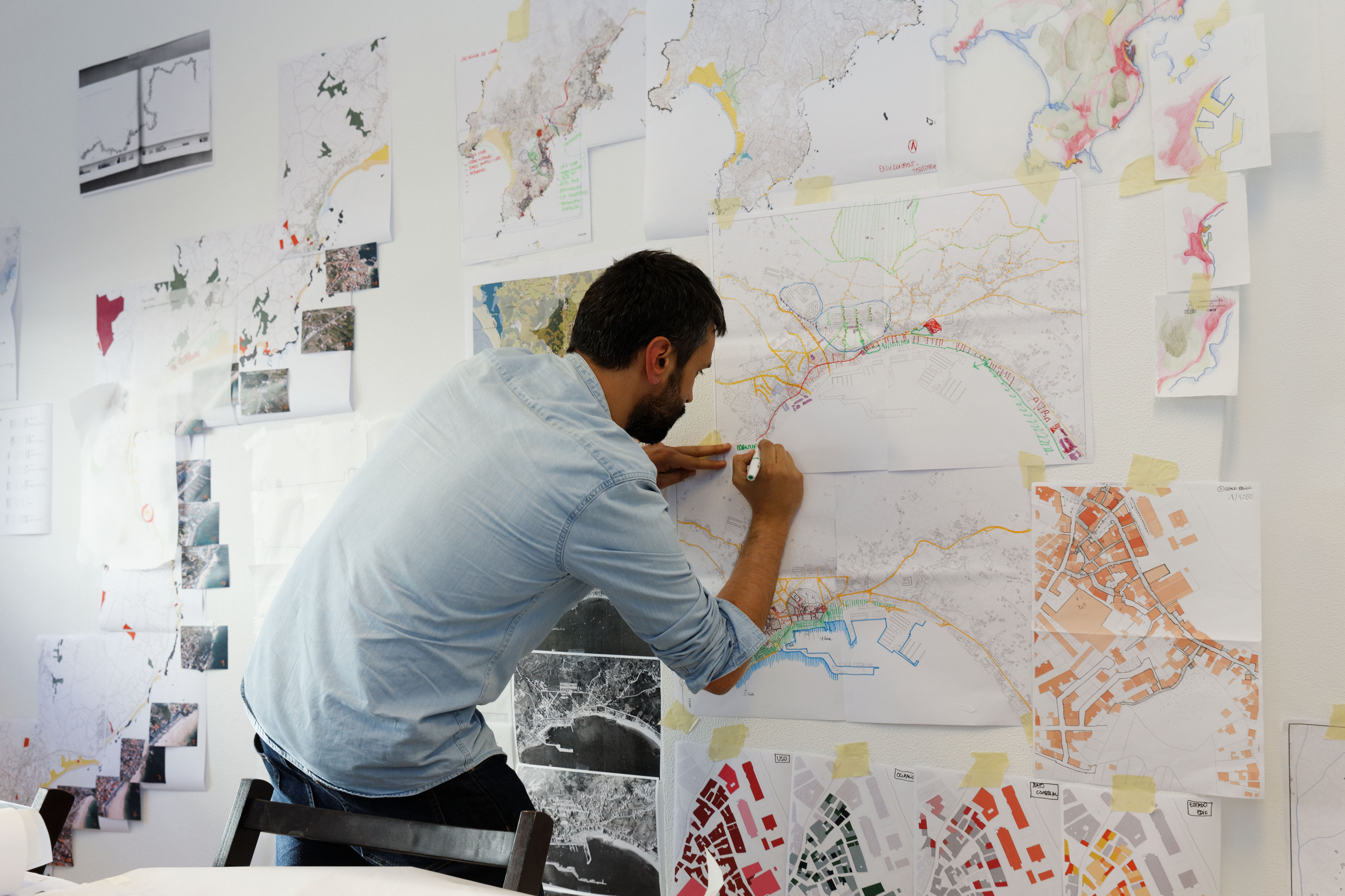
Casa RIA opened its doors in 2024. It is the home of the office of David Chipperfield Architects in Santiago de Compostela and of Fundación RIA, an independent non-profit agency and thinktank working towards long-term sustainability of both the built and natural environment in the region of Galicia in north-west Spain since 2017. Casa RIA hosts a public programme of events, talks, conferences and exhibitions related to the work of Fundación RIA, including urban planning, sustainable territorial management and design culture. It aims to offer its spaces to the promotion of communal initiatives, as a showcase for Galician activities and a platform for disseminating local knowledge.
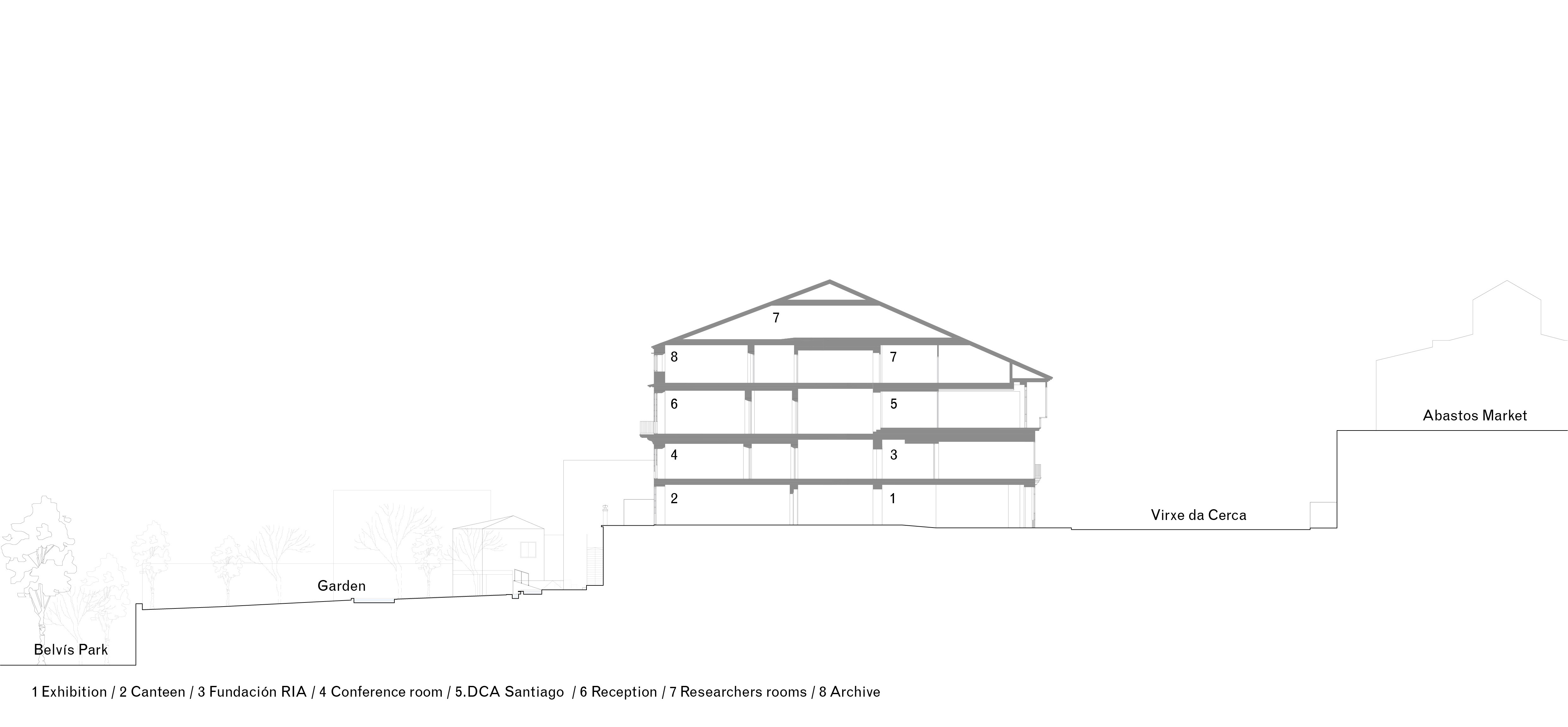
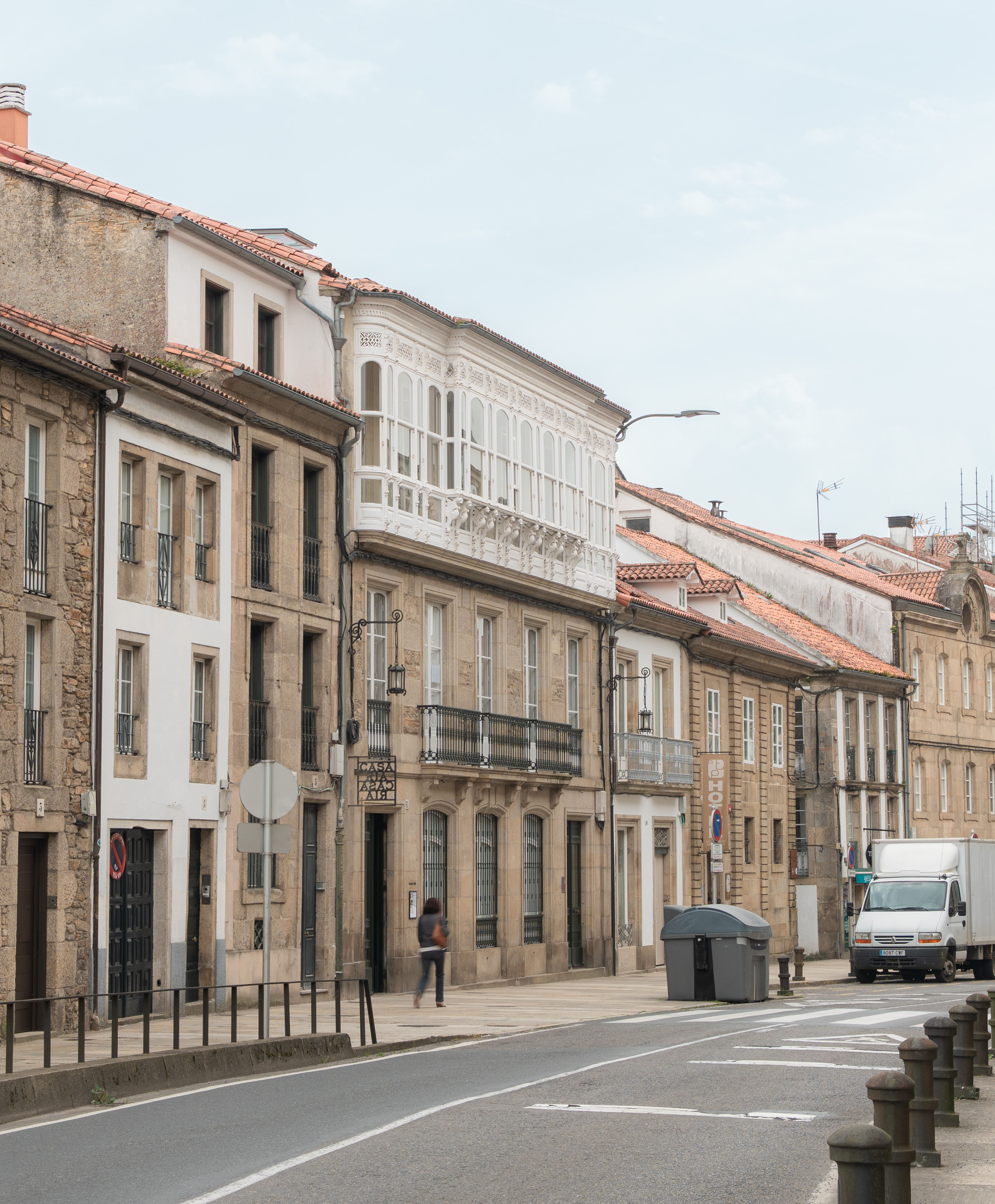
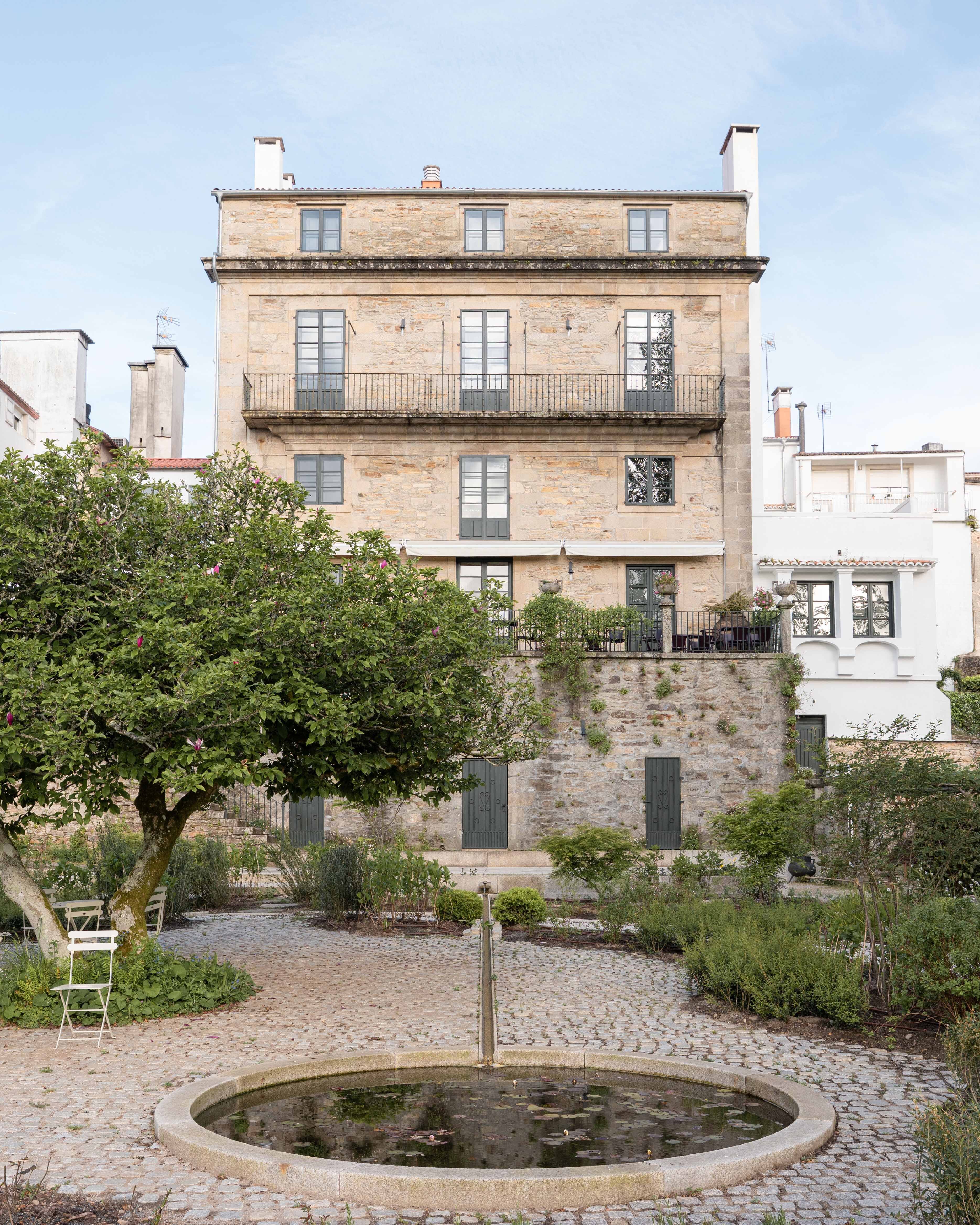


The original building dates back to 1884. It later housed the San Agustín Sanatorium, founded in 1926, which became a medical reference in the city and remained active until the late 1980s. After its medical use, the building was acquired by a religious congregation and served as a student residence for several years. The property, which had been underused for the last years, was purchased in 2018 and restored between 2022 and 2024, adapting it to accommodate a threefold program, with a public area, studio spaces and residential accommodation for researchers. The public areas are located on the ground and first floors and include an exhibition hall, a canteen and a conference space.
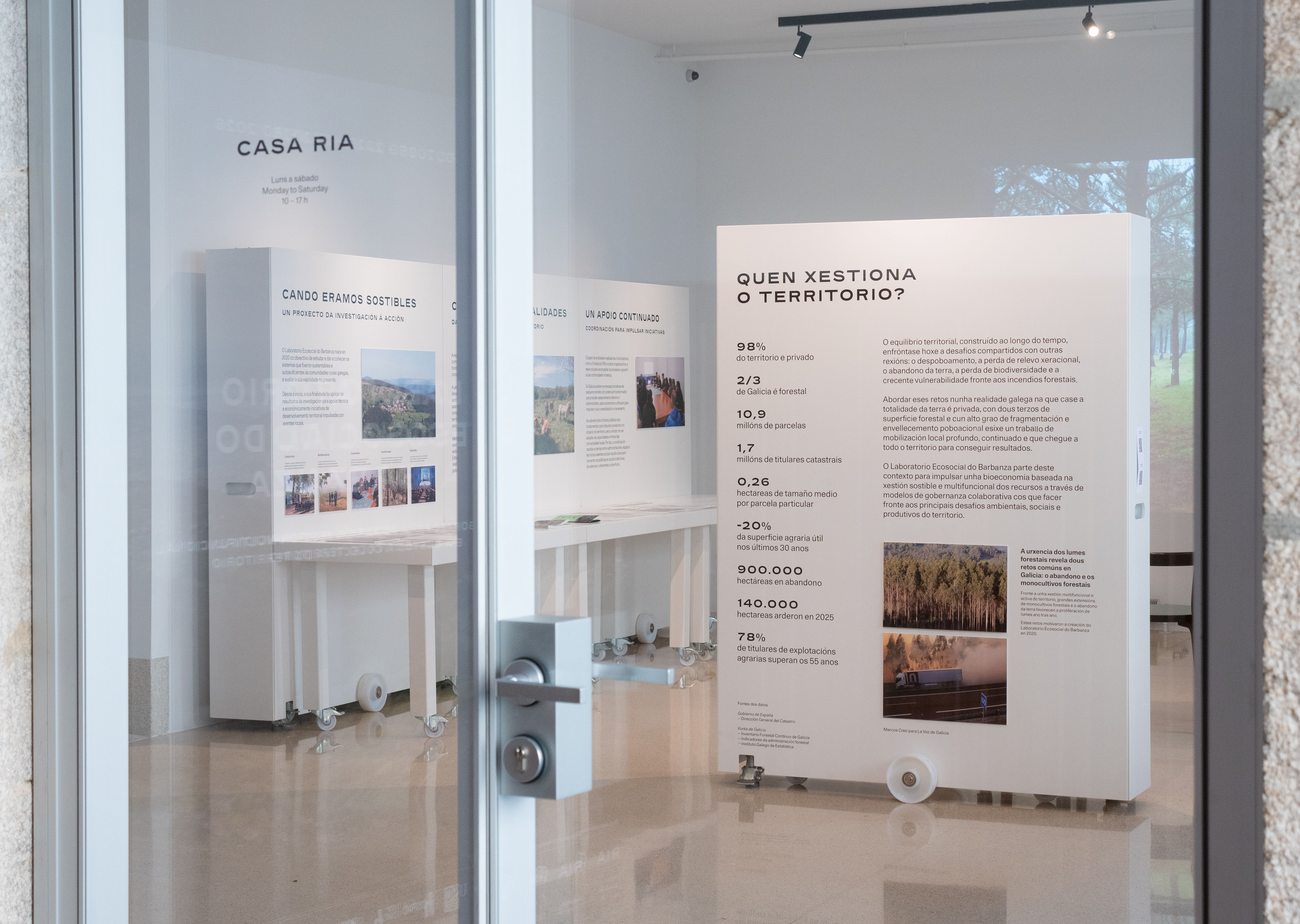
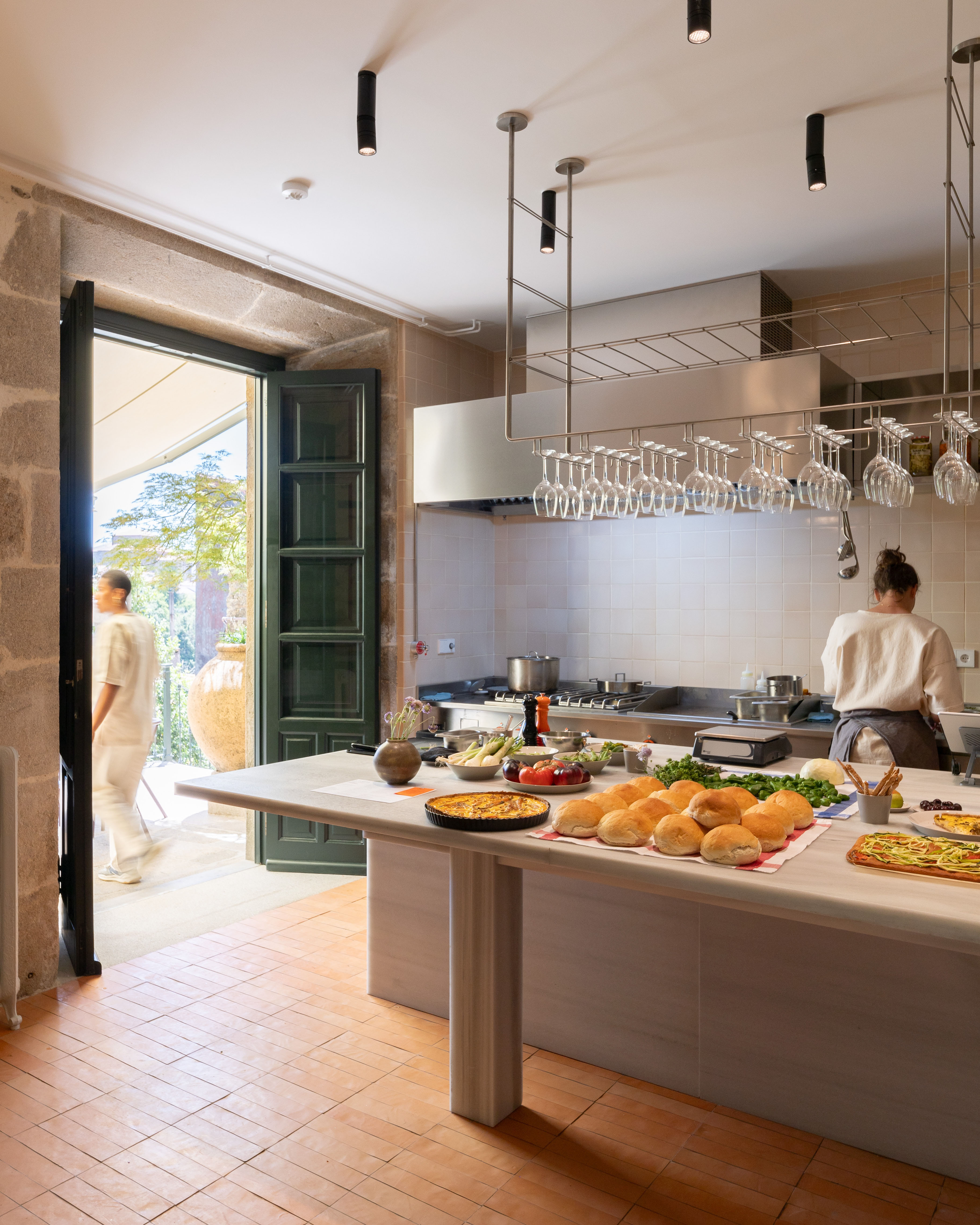
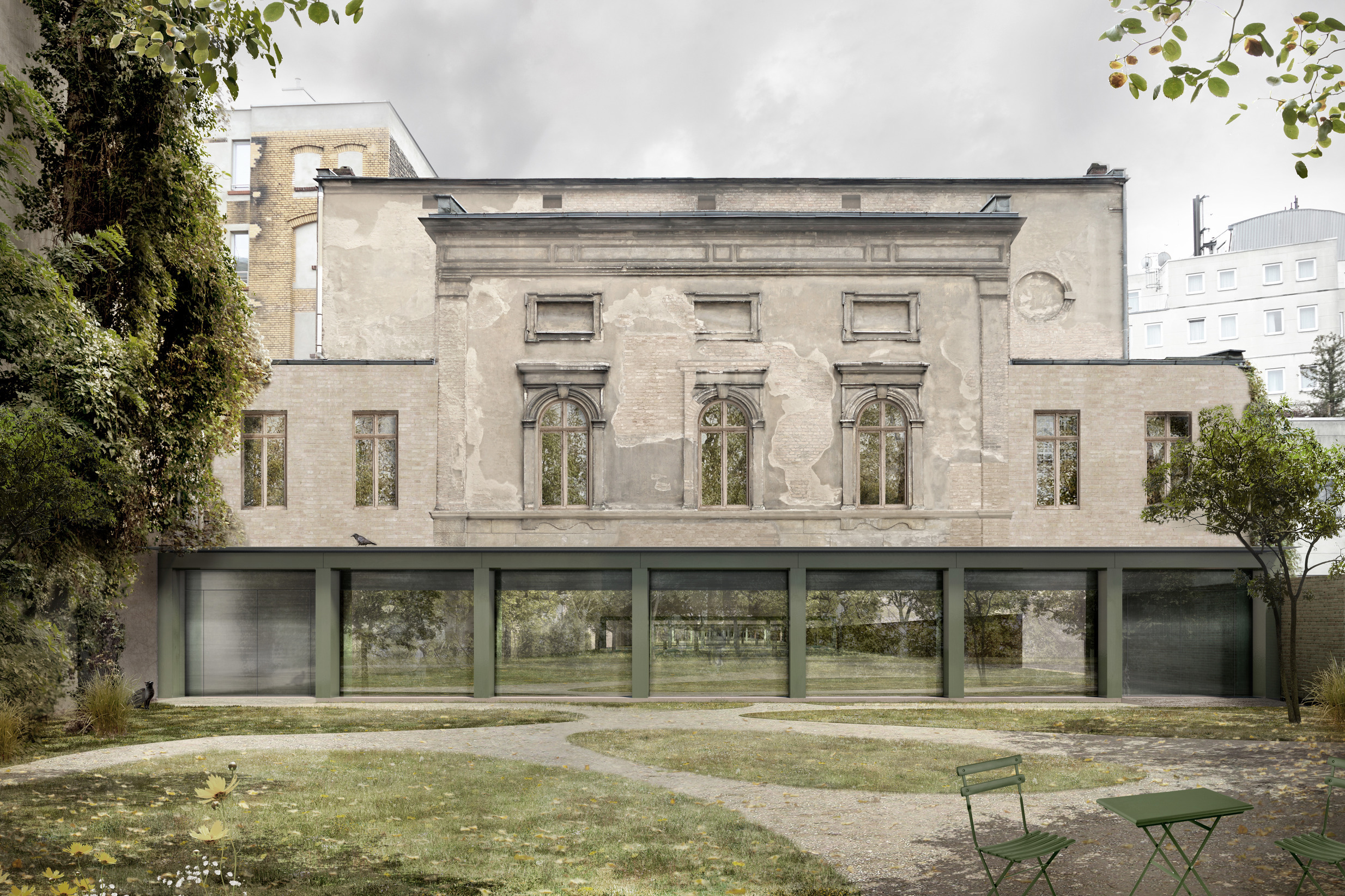
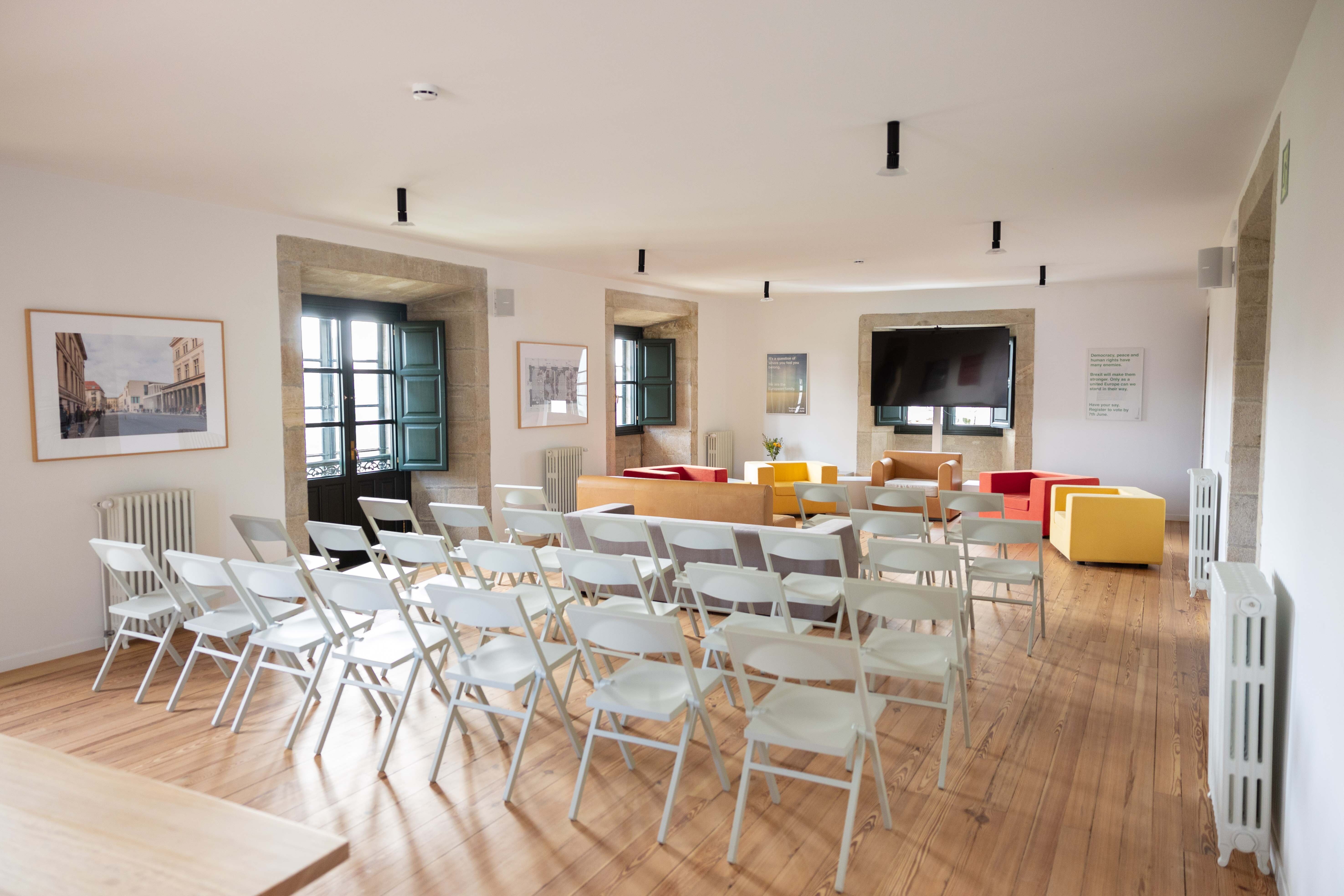
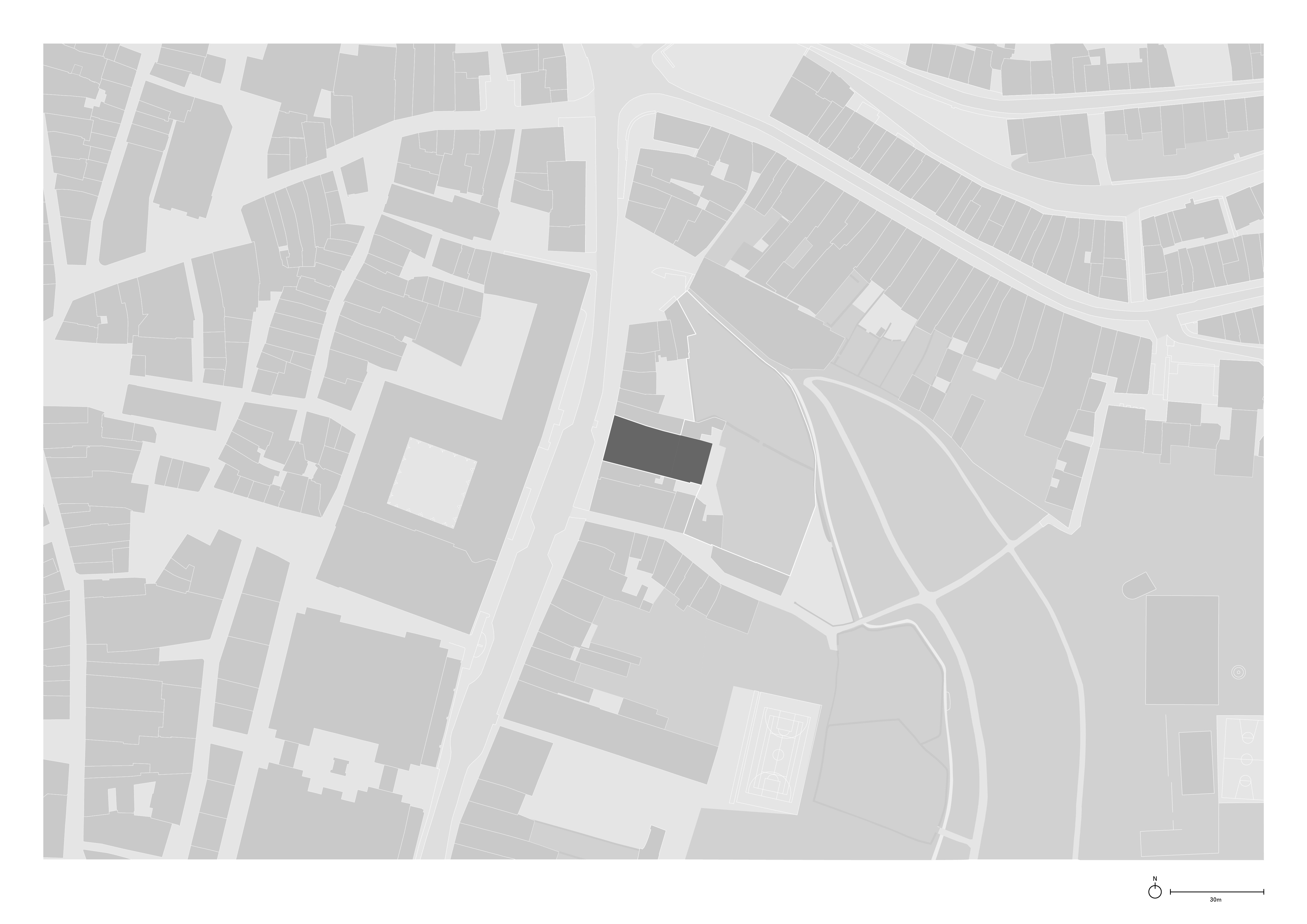
The exhibition hall is the first space visitors encounter upon entering the building. It is an empty white room facing the street, designed with sufficient flexibility to adapt to the foundation’s changing exhibitions. The canteen spills over into the garden at the rear of the property and provides a local produce-based gastronomy that supports Casa RIA’s public programme. It opens onto the garden and connects the building with Belvís Park, one of the most important green areas in the city. The garden’s landscape design was developed by Wirtz International Landscape Architects and Orza Paisajismo, incorporating a wide variety of species, such as camellias, hydrangeas, and geraniums. On the northern side, there is a small vegetable garden dedicated to research and to supplying food for the canteen. The public programme continues on the first floor, where Sala RIA, the conference room, hosts lectures and events.
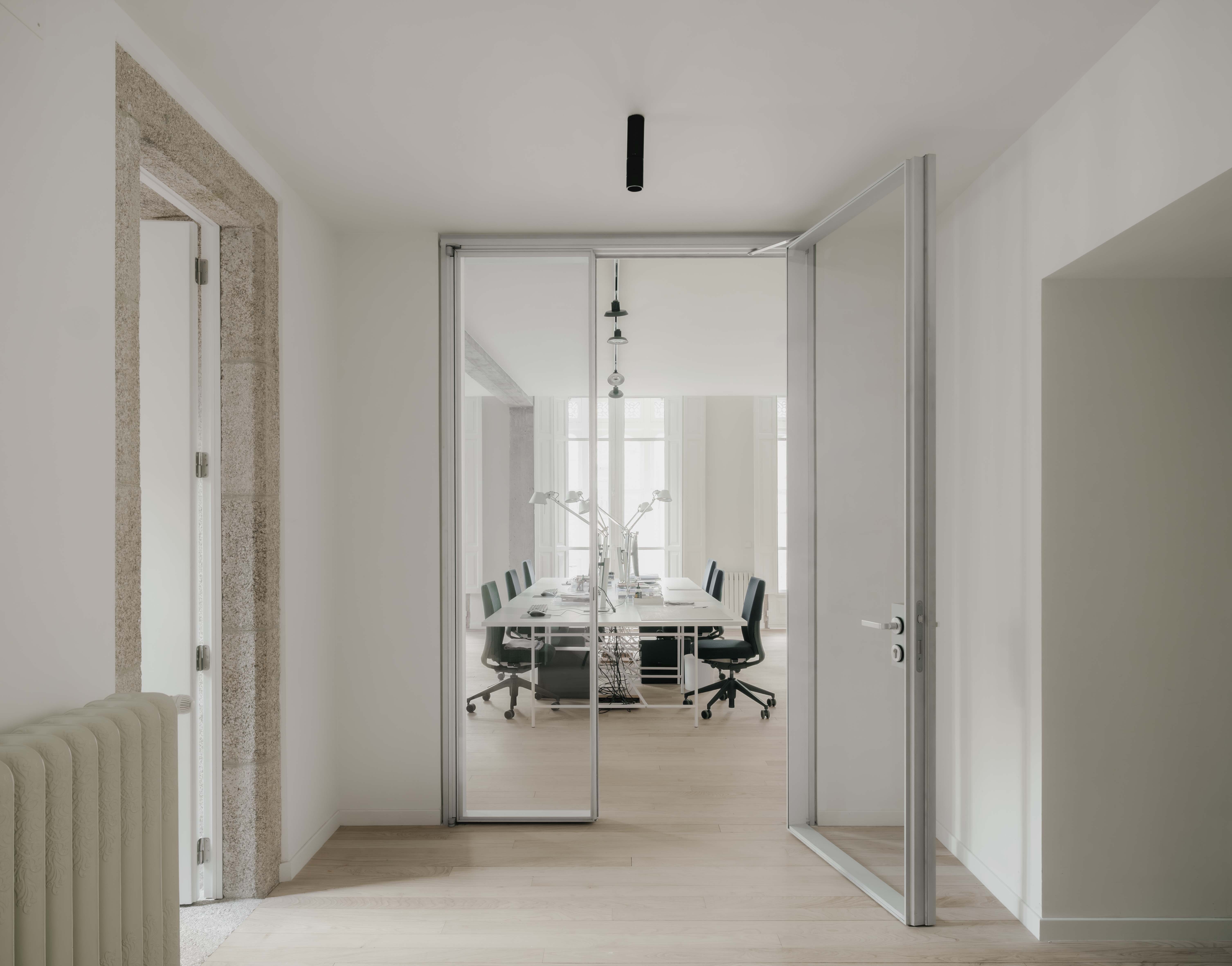
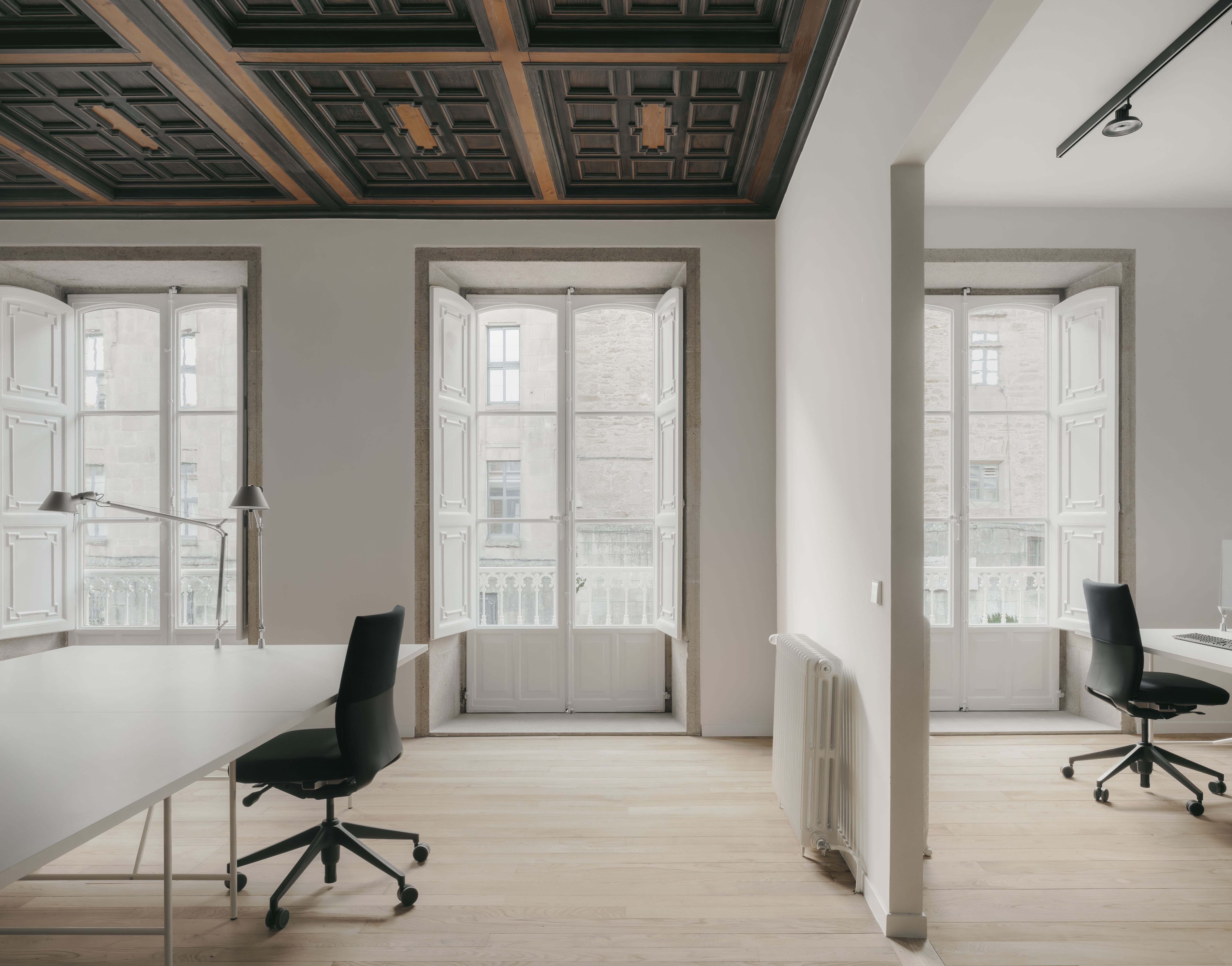
The offices are located on the first and second floors, facing the street. The original character of the building can be appreciated thanks to the preservation of the original wooden coffered ceiling in the foundation's office. The demolition of the partitions in the architecture office, in the second floor, now allows the wooden gallery, one of the building’s defining exterior features, to be fully appreciated, transforming this space into one of the most distinctive areas of the house.
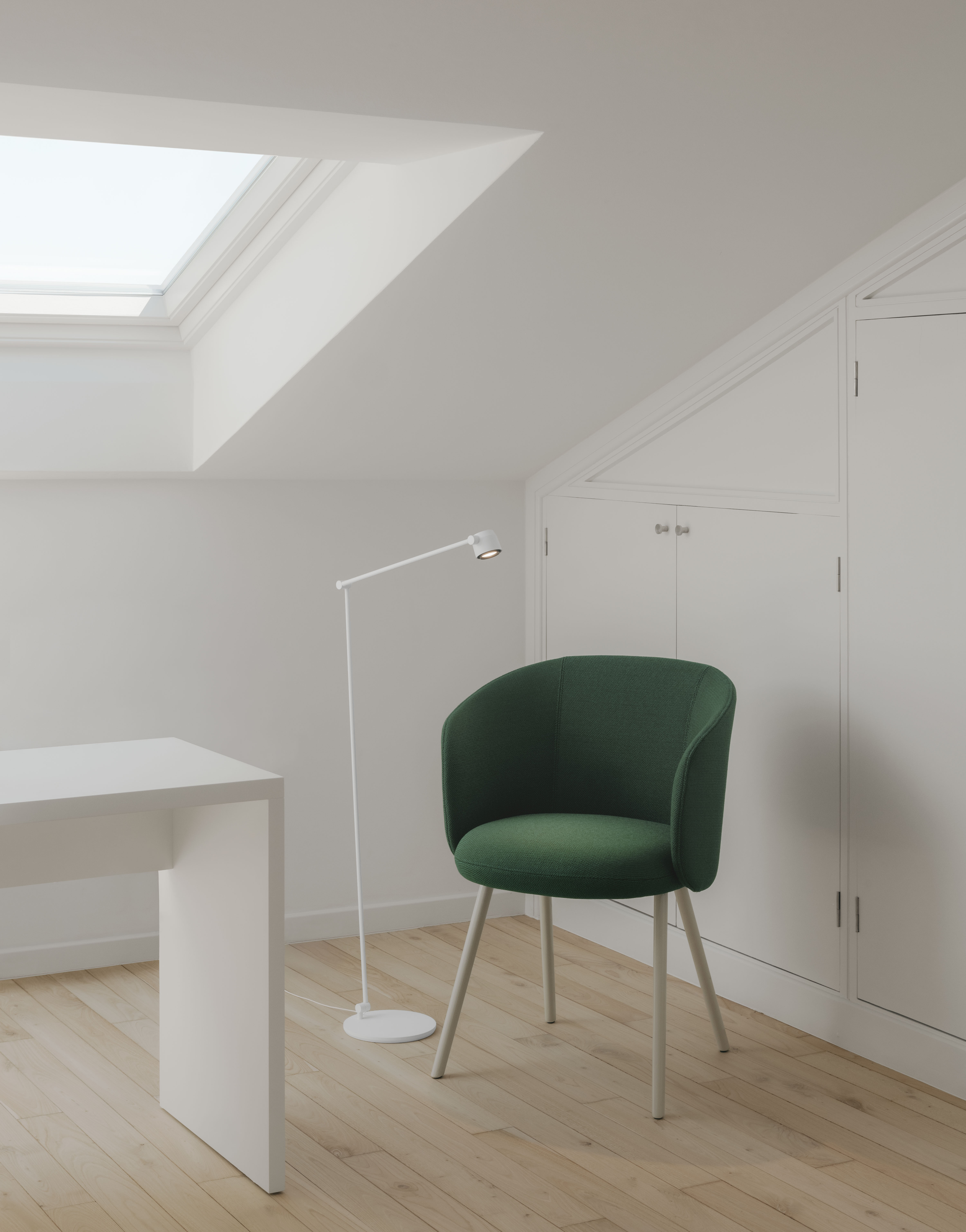
The upper floors contain guest rooms intended to host research fellows. The neutral and calm design of the rooms and their furnishings create a relaxed atmosphere for guests, while allowing the emphasis to remain on the building’s more public areas.
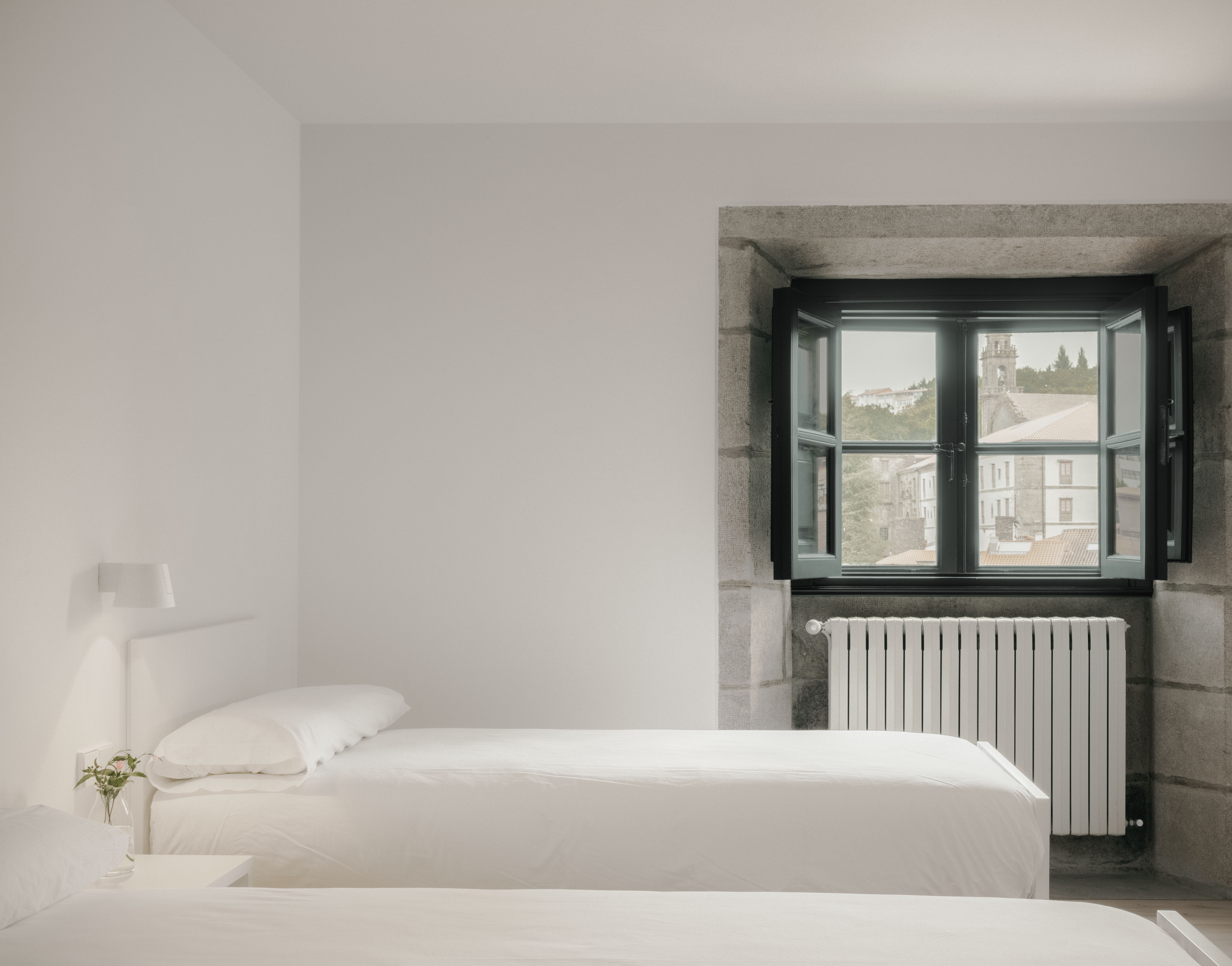
The restoration aimed to preserve the building and its character, enhancing its inherent qualities and acknowledging the various modifications it underwent over time, while adapting the spaces to current programme requirements. Collaboration with local manufacturers was essential, enabling the use of locally sourced materials and ensuring high-quality execution. The use of materials already present in the original building, such as wood, granite, and marble, helps establish a dialogue between existing and new elements. Material research was fundamental to the development of the furniture design, carried out in collaboration with the David Chipperfield Design team. Eucalyptus wood, a material widely found in Galician forests, together with local leather and linen, was crafted by highly skilled artisans, filling the spaces with a warm and elegant atmosphere.
Data and credits
- Project start
- 2022
- Construction start
- 2023
- Completion
- 2024
- Opening
- 2024
- Gross floor area
- 2,000m²
- Client
- Fundación RIA
- Architect
- David Chipperfield Architects Santiago de Compostela
- Directors
- Rodrigo Antón Carrasquer
- Project architect
- Héctor Termenón
- Project team
- Carmen Graña Lobeira, Rosalía Martínez Pérez, Uxía Mouriño Fernández
- Executive architect
- Jesús Esturao Pena
- Landscape architect
- Wirtz International Landscape Architects, Orza Paisajismo
- Interior design
- David Chipperfield Design
- Services engineer
- Obradoiro Enxeñeiros
- Lighting consultant
- Viabizzuno
- Signage and wayfinding
- John Morgan Studio